
Car Filters: Types, When and Why They Need to Be Replaced
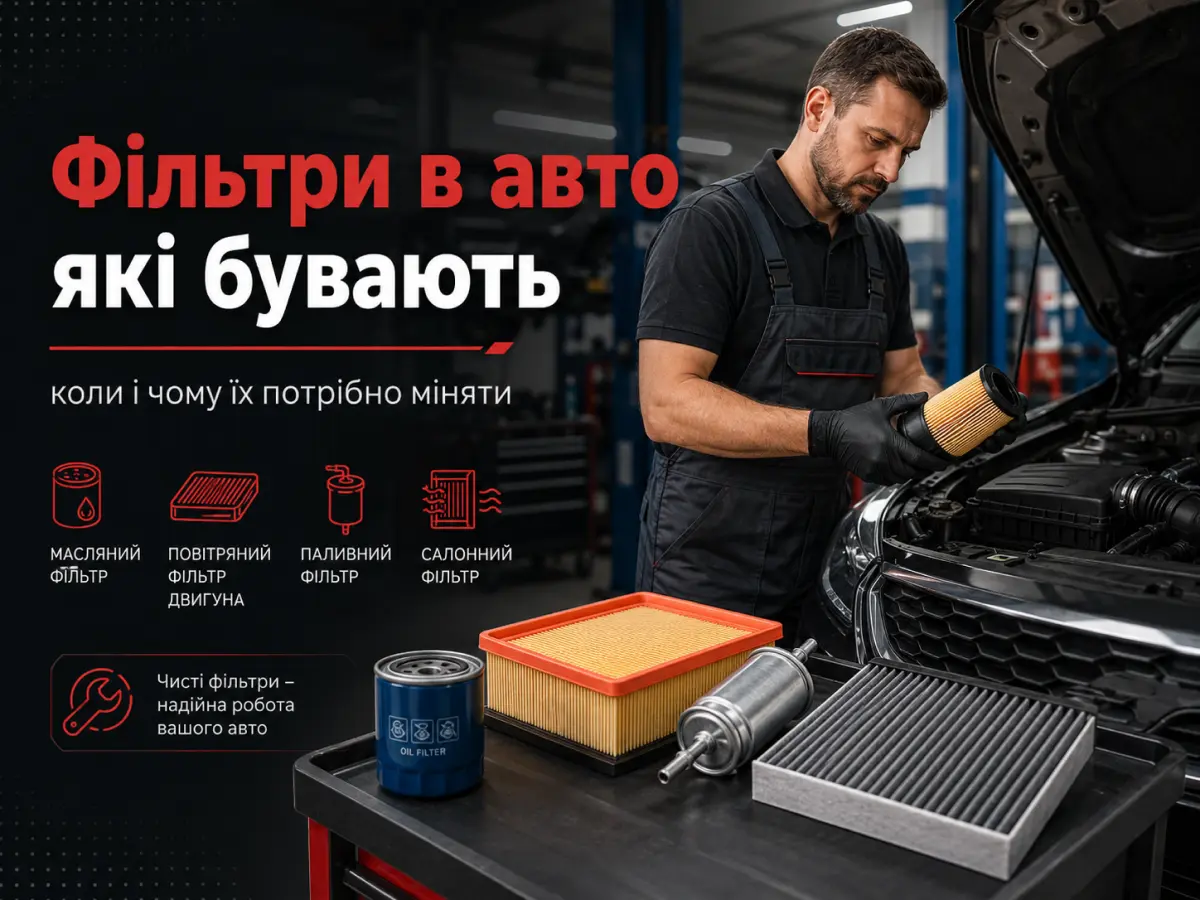
Car filters are small but very important components that affect the operation of the engine, fuel system, transmission, air conditioner, and even comfort inside the cabin. Their task is simple: to trap dust, dirt, metal shavings, soot, water, combustion residues, and other contaminants that can enter the vehicle systems.
If a filter is clogged or has not been replaced for a long time, the car may lose power, consume more fuel, start worse, overheat, or run with interruptions. That is why regular filter replacement in a car is not a formality, but a basic part of vehicle maintenance.
In this article, we will look at what filters are used in a car, how often they should be replaced, and what problems can result from delayed replacement.
What Filters Are in a Car
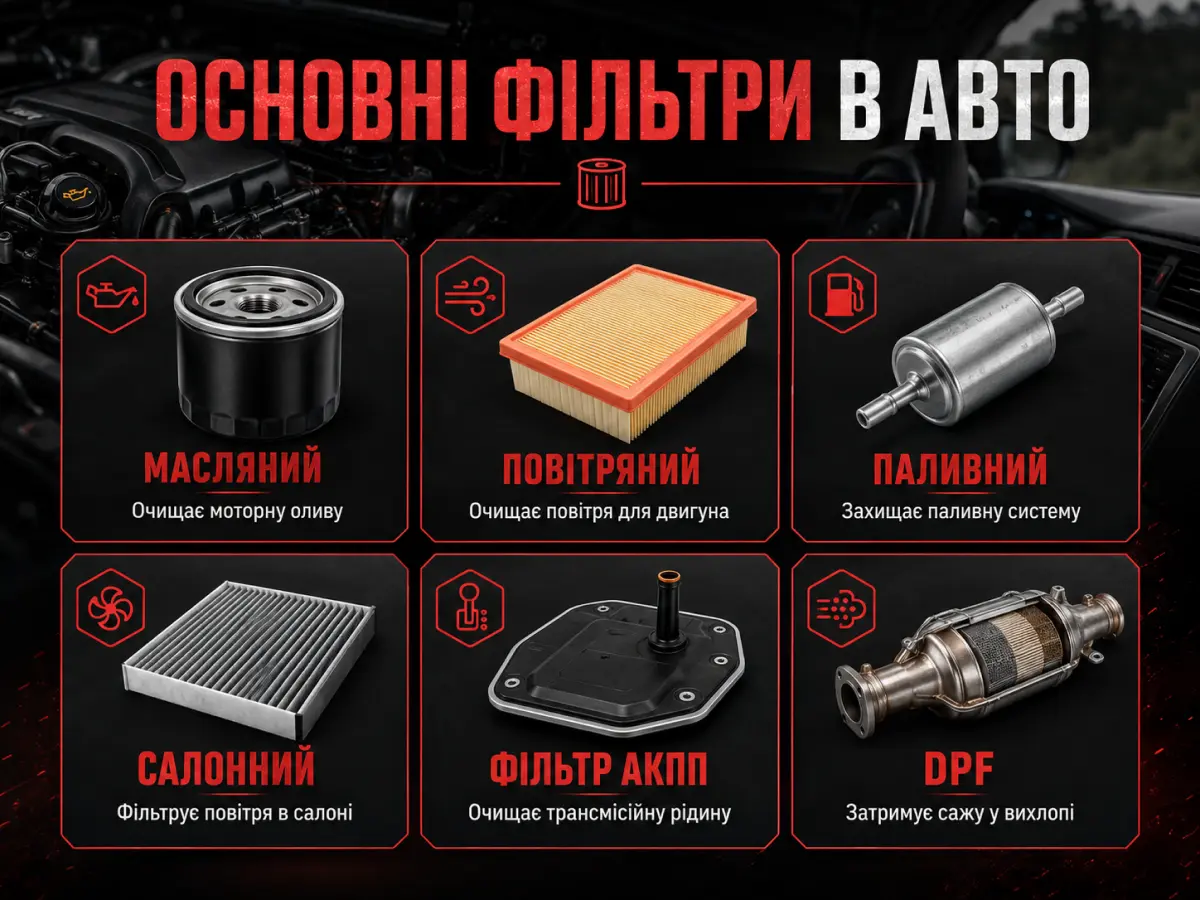
Most vehicles have several main filters:
- oil filter;
- engine air filter;
- fuel filter;
- cabin filter;
- transmission filter;
- diesel particulate filter in diesel vehicles;
- ventilation or air conditioning system filters.
Each of them is responsible for its own system. Some filters affect engine life, others affect fuel consumption, and others affect air quality inside the cabin. But they all have one common feature: over time, they become clogged and lose efficiency.
Oil Filter
The oil filter cleans engine oil from dirt, metal particles, carbon deposits, and engine wear products. During engine operation, oil constantly circulates inside the system, lubricates parts, and reduces friction. If the oil filter is clogged, the oil is cleaned less effectively, and the engine operates under increased load.
When to Replace the Oil Filter
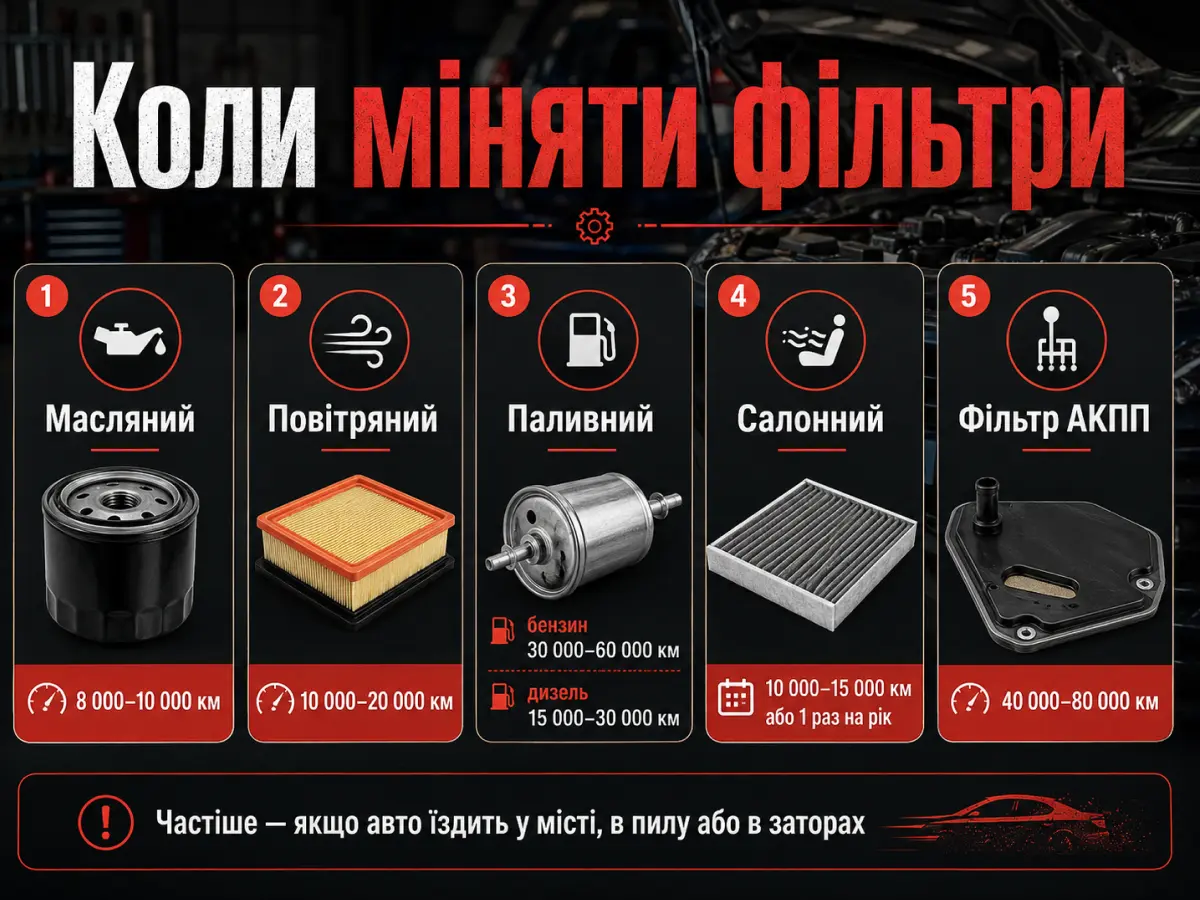
The oil filter should be replaced together with the engine oil. On average, this is done every 8,000–10,000 km or once a year. If the car is often driven in the city, stands in traffic jams, is used for short trips, or operates in difficult conditions, the interval should be shortened.
You should not change the oil without replacing the oil filter. The old filter will quickly contaminate the new oil, and the effect of the service will be much lower.
What Happens If You Do Not Replace the Oil Filter
Delayed oil filter replacement can lead to:
- worse engine lubrication;
- accelerated wear of parts;
- lower oil pressure;
- engine overheating;
- unusual noises;
- expensive engine repairs.
The oil filter is one of the least expensive maintenance items, but ignoring it can lead to very costly consequences.
Engine Air Filter
The air filter cleans the air entering the engine. For normal fuel combustion, the engine needs clean air. If the filter is clogged with dust, sand, or small debris, the engine receives less air, and the fuel mixture becomes incorrect.
As a result, the car may lose dynamics, accelerate worse, and consume more fuel.
When to Replace the Air Filter
Usually, the air filter is replaced every 10,000–20,000 km. But if the vehicle is often driven on dusty roads, dirt roads, construction areas, or in conditions of heavy urban pollution, the filter may become clogged much faster.
In such cases, it should be checked more often, even if the scheduled replacement interval has not yet been reached.
Signs of a Clogged Air Filter
A clogged air filter may be indicated by:
- loss of power;
- increased fuel consumption;
- sluggish acceleration;
- unstable engine operation;
- black smoke from the exhaust pipe;
- errors related to the fuel mixture or engine operation.
If the air filter has not been replaced for a long time, it should be checked during scheduled maintenance.
Fuel Filter
The fuel filter cleans gasoline or diesel from dirt, water, rust, and other impurities. It protects the fuel pump, injectors, HPFP in diesel vehicles, and other fuel system components.
The fuel filter is especially important for diesel vehicles. The diesel system is very sensitive to fuel quality, and water or small particles can damage the injectors or the high-pressure fuel pump.
When to Replace the Fuel Filter
The replacement interval depends on the engine type and the manufacturer’s recommendations. On average:
- for gasoline vehicles — every 30,000–60,000 km;
- for diesel vehicles — every 15,000–30,000 km;
- with poor fuel quality — more often.
If the car is operated in Ukraine, where fuel quality may vary depending on the filling station, it is better not to exceed the fuel filter replacement interval.
Signs of a Clogged Fuel Filter
A clogged fuel filter may show itself as follows:
- the car starts poorly;
- the engine stalls;
- jerking appears while driving;
- power drops;
- the car accelerates poorly;
- fuel consumption increases;
- fuel system errors appear.
If the fuel filter is not replaced on time, the fuel pump, injectors, or HPFP may be damaged. Repairing these components costs much more than a regular filter replacement.
Cabin Filter
The cabin filter cleans the air that enters the cabin through the ventilation system, air conditioner, or heater. It traps dust, pollen, soot, small debris, unpleasant odors, and some harmful impurities from the air.
This filter directly affects the comfort of the driver and passengers. It is especially important for people with allergies, children, and those who spend a lot of time behind the wheel.
When to Replace the Cabin Filter
The cabin filter is usually replaced every 10,000–15,000 km or once a year. But in city conditions, dust, traffic jams, and active use of the air conditioner, it is better to check it more often.
It is optimal to replace the cabin filter before the spring-summer season or before active use of the air conditioner.
Signs of a Clogged Cabin Filter
The need for replacement may be indicated by:
- weak airflow from the vents;
- an unpleasant smell in the cabin;
- quick window fogging;
- poor operation of the air conditioner or heater;
- dust inside the cabin;
- discomfort during the trip.
If an unpleasant smell appears after turning on the air conditioner, it is worth not only replacing the cabin filter but also checking the air conditioning system.
Transmission Filter
Many automatic transmissions have a filter that cleans the transmission fluid from wear products, metal particles, and contaminants. It helps maintain normal transmission operation and protects its internal components.
The automatic transmission filter is especially important if the vehicle has high mileage or the transmission operates with jerks, delays, or shocks.
When to Replace the Transmission Filter
The interval depends on the transmission type and the manufacturer’s recommendations. On average, the automatic transmission filter is replaced together with the transmission fluid every 40,000–80,000 km.
In some vehicles, the filter is installed inside the transmission, so replacing it is more complicated. In other models, it is replaced together with the pan. That is why before servicing, it is better to perform diagnostics and choose the correct maintenance schedule for a specific vehicle.
Signs of Problems with the Automatic Transmission Filter
You should pay attention if:
- the transmission shifts with jerks;
- delays appear during shifting;
- the car jerks while driving;
- the transmission overheats;
- a humming noise or vibration appears;
- the transmission fluid is dark or smells burnt.
Ignoring such symptoms is dangerous because automatic transmission repair can be very expensive.
Diesel Particulate Filter in a Diesel Vehicle
The diesel particulate filter, or DPF, is installed in many diesel vehicles. Its task is to trap soot particles in the exhaust system and reduce harmful emissions.
Unlike the oil or air filter, the diesel particulate filter is not replaced during every service. It must undergo regeneration — a cleaning process that burns off accumulated soot. But if the car is often driven on short city routes, regeneration may not be completed, and the filter gradually becomes clogged.
Signs of a Clogged Diesel Particulate Filter
DPF problems may appear as follows:
- the car loses power;
- fuel consumption increases;
- the cooling fan turns on more often;
- an error appears on the dashboard;
- the engine switches to limp mode;
- an unusual smell or smoke may appear from the exhaust.
If the diesel particulate filter is clogged, diagnostics are required. Sometimes forced regeneration or professional cleaning helps, but in more complicated cases, system repair may be needed.
Why It Is Important to Replace Filters on Time
Filters may seem like a small thing, but they protect expensive vehicle components. One clogged filter can affect the operation of the entire system.
Timely filter replacement helps to:
- extend engine life;
- reduce fuel consumption;
- improve vehicle starting;
- maintain stable engine operation;
- protect injectors and the fuel pump;
- avoid transmission overheating;
- improve air conditioner operation;
- ensure cleaner air inside the cabin;
- reduce the risk of expensive repairs.
The most common mistake drivers make is replacing only the oil but forgetting about the filters. In fact, quality maintenance should include checking all main filters, not just replacing the engine oil.
How to Understand That a Filter Needs to Be Replaced Earlier Than Scheduled
It is not always worth waiting for a specific mileage. In real operating conditions, filters may become clogged faster than stated in the service book.
It is better to check the filter earlier if:
- the car is often driven in the city and in traffic jams;
- there are many short trips;
- the vehicle is operated on dusty roads;
- you often drive on roads with construction dust;
- the car has a diesel engine;
- you refuel at different filling stations;
- jerking, loss of power, or smoke has appeared;
- the air conditioner or heater works poorly;
- an unpleasant smell has appeared in the cabin.
In such conditions, it is better to replace filters not at the maximum allowed interval, but according to the actual operating conditions of the vehicle.
Filter Replacement in Lviv
If you are not sure when the filters in your car were last replaced, it is better to have an inspection and scheduled maintenance. This will allow you to detect dirty filters in time and check the condition of the oil, fuel system, air conditioner, and other important components.
Autopark-Service Auto Service in Lviv performs filter replacement, scheduled maintenance, engine diagnostics, fuel system diagnostics, transmission diagnostics, and air conditioning system diagnostics. Specialists can check the condition of the oil, air, fuel, and cabin filters and select the optimal spare parts for a specific car model.
Timely service at Autopark-Service Auto Service in Lviv helps avoid unnecessary expenses, preserve the vehicle’s service life, and maintain stable daily operation.
Frequently Asked Questions About Car Filters
What Filters Should Be Replaced During Maintenance?
During standard maintenance, the oil filter is usually replaced together with the engine oil, and the air, cabin, and fuel filters are also checked. If necessary, they are replaced as well.
Can You Simply Blow Out the Air Filter?
Blowing out the filter may temporarily remove some dust, but it does not fully restore the filter. If the filter is clogged or has not been replaced for a long time, it is better to replace it.
How Often Should the Cabin Filter Be Replaced?
On average, the cabin filter is replaced every 10,000–15,000 km or once a year. If the car is often driven in the city, in dust, or with the air conditioner on, it is better to replace it more often.
Why Does the Car Drive Better After Replacing Filters?
If the old filters were clogged, the engine may have been receiving less air or fuel. After replacing the filters, the system operates more stably, so the car may start better, run more smoothly, and respond faster to the accelerator pedal.
What Happens If You Do Not Replace the Fuel Filter for a Long Time?
A clogged fuel filter can cause poor starting, jerking, loss of power, increased fuel consumption, and problems with the injectors or fuel pump.
Conclusion
Car filters must be replaced on time because they protect the engine, fuel system, transmission, air conditioner, and cabin from contamination. The oil filter is responsible for oil cleanliness, the air filter for supplying clean air to the engine, the fuel filter for protecting the fuel system, the cabin filter for air quality inside the cabin, and the transmission filter for stable transmission operation.
If the filters are clogged, the vehicle may lose power, consume more fuel, start worse, smoke, or run with interruptions. That is why filter replacement is a simple but very important part of vehicle maintenance.
For diagnostics, scheduled maintenance, and filter replacement, contact Autopark-Service Auto Service in Lviv. Regular maintenance will help preserve the vehicle’s service life and avoid expensive repairs.