
HPFP: Signs of a Faulty High-Pressure Fuel Pump

The HPFP, or high-pressure fuel pump, is one of the key components of a diesel engine. It is responsible for supplying fuel to the injectors under the required pressure so that diesel fuel is properly atomized and burned in the cylinders. If the HPFP does not work correctly, the vehicle may have trouble starting, lose power, smoke, stall, or consume more fuel.
Signs of a faulty HPFP do not always appear suddenly. Often, the driver first notices minor changes: the engine takes longer to start, the vehicle responds worse to the accelerator pedal, idle operation becomes uneven, or black smoke appears from the exhaust pipe. However, even these symptoms should not be ignored, as a faulty high-pressure fuel pump can lead to expensive repairs of the injectors, fuel system, and the engine itself.
If you notice problems in the operation of your diesel vehicle, it is worth having HPFP diagnostics in Lviv. At Autopark-Service Auto Service in Lviv, specialists can check the high-pressure fuel pump, injectors, fuel rail pressure, and other diesel system components to accurately determine the cause of the problem.
What Is an HPFP and What Is It Responsible For?
The high-pressure fuel pump creates the required pressure in the diesel fuel system and supplies fuel to the injectors. The injectors then atomize diesel fuel into the combustion chamber, where it mixes with air and ensures engine operation.
In modern diesel vehicles, especially those with a Common Rail system, the HPFP operates under very high load. Even a slight drop in pressure or incorrect fuel dosing can affect engine starting, traction, fuel consumption, and the stable operation of the vehicle.
That is why an HPFP fault often shows itself not as a single symptom, but as a whole set of signs. The vehicle may start worse, lose dynamics, operate with interruptions, or display fuel system errors.
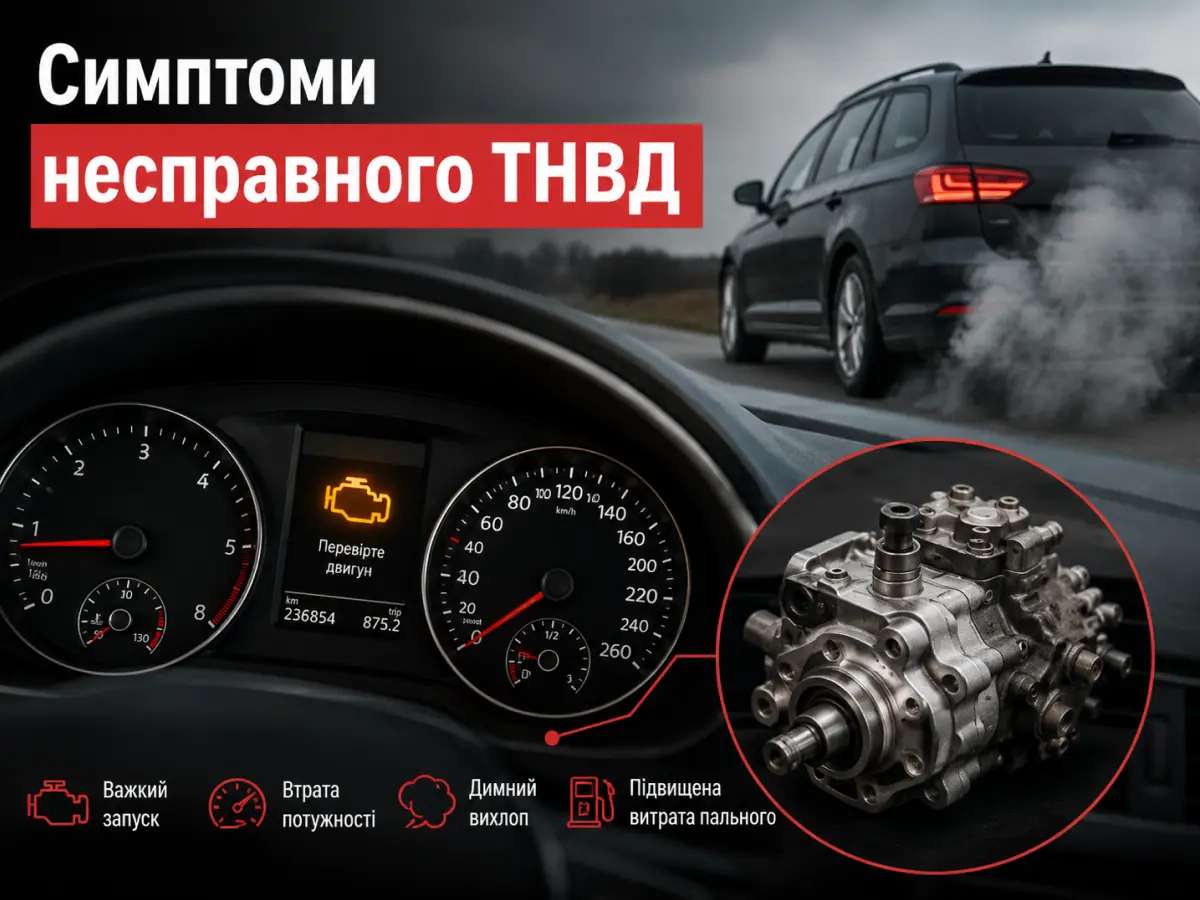
Main Signs of a Faulty HPFP
1. The Diesel Engine Starts Poorly
One of the most common signs of a faulty HPFP is difficult engine starting. The vehicle may crank for a long time, start only after several attempts, or not start at all.
This problem is especially noticeable in the morning, after a long stop, or in cold weather. If the high-pressure fuel pump does not create the required pressure, fuel does not reach the injectors in the correct amount. As a result, the engine starts with difficulty or runs unstably immediately after startup.
With this symptom, it is important not to limit the check only to replacing the fuel filter. The cause may be in the HPFP itself, injectors, pressure regulator, fuel line, or air entering the system.
2. The Vehicle Loses Power
If a diesel vehicle accelerates worse, responds slowly to the accelerator pedal, or loses traction under load, the HPFP should be checked. The high-pressure fuel pump may not provide the required fuel supply, which means the engine does not receive enough fuel for normal operation.
Power loss is most often noticeable during overtaking, driving uphill, sharp acceleration, or driving with a load. The driver feels that the vehicle has become “heavy,” sluggish, and does not accelerate as it used to.
This symptom may be related not only to the HPFP, but also to the injectors, turbocharger, diesel particulate filter, or EGR system. Therefore, comprehensive diesel engine diagnostics are needed to accurately determine the cause.
3. Unstable Engine Operation at Idle
If the engine runs unevenly, vibrates, misfires, or changes idle speed on its own, this may be a sign of fuel system problems.
A faulty HPFP may supply fuel unevenly. Because of this, the engine works with interruptions, and idle speed becomes unstable. In some cases, the vehicle may even stall at traffic lights or during stops.
Such symptoms should not be postponed “for later.” If the high-pressure fuel pump operates incorrectly, the load on the injectors and other system components increases.
4. The Engine Stalls While Driving
Sudden engine shutdown is one of the most dangerous symptoms. The vehicle may stall at idle, during acceleration, or directly while driving.
The cause may be a drop in fuel rail pressure, wear of HPFP components, a faulty pressure regulator, fuel system contamination, or air entering the fuel line. In such a situation, continuing to operate the vehicle without diagnostics is not recommended.
If a diesel vehicle stalls while driving, it is better to contact Autopark-Service Auto Service in Lviv and have the fuel system checked. This will help avoid more serious engine damage.
5. Fuel Consumption Has Increased
Another sign of a faulty high-pressure fuel pump is increased diesel fuel consumption. If your driving style has not changed, but the vehicle has started consuming more fuel, it is worth checking the operation of the HPFP and injectors.
When the pump supplies fuel incorrectly, the engine cannot operate efficiently. Part of the fuel does not burn completely, which increases consumption, worsens dynamics, and may cause smoke from the exhaust pipe.
Sometimes drivers ignore this symptom for a long time because the vehicle still drives. However, increased fuel consumption is often one of the first signals that the fuel system needs diagnostics.
6. Black, White, or Bluish Smoke Appears
Smoke from the exhaust pipe can say a lot about the condition of a diesel engine. Black smoke may indicate excessive fuel supply or incomplete combustion. White or bluish smoke may be related to incorrect injection timing, poor atomization, or starting problems.
The HPFP is not always the only cause of smoke. The problem may be in the injectors, turbocharger, EGR valve, diesel particulate filter, or engine compression. However, if smoke is combined with hard starting, power loss, and increased fuel consumption, the high-pressure fuel pump should definitely be checked.
7. Unusual Engine Noises Appear
An HPFP fault may be accompanied by unusual sounds: knocking, humming, metallic noise, or a “harsher” operation of the diesel engine. The driver may notice that the engine has become louder or less smooth.
These signs may indicate wear of internal pump components, incorrect fuel supply, or pressure problems in the system. If unusual noises appear together with loss of traction, smoke, or difficult starting, diagnostics should not be delayed.
8. A Check Engine Error Appears on the Dashboard
In modern diesel vehicles, HPFP problems are often accompanied by dashboard errors. After computer diagnostics, codes related to low or unstable fuel pressure, the fuel rail, pressure regulator, or injectors may appear.
However, it is important to understand that an error does not always directly indicate the HPFP itself. For example, low pressure in the fuel system may be caused by a clogged filter, a faulty sensor, worn injectors, or problems with the fuel line.
Therefore, an accurate conclusion requires not only computer diagnostics, but also checking the actual operating parameters of the fuel system.
Why the High-Pressure Fuel Pump Fails
The HPFP operates in difficult conditions and is highly dependent on fuel quality. The diesel fuel system is sensitive to water, dirt, small metal particles, and delayed filter replacement.
The most common causes of HPFP failure include:
- low-quality diesel fuel;
- water in the fuel system;
- a clogged fuel filter;
- air in the fuel line;
- wear of the plunger pair;
- a faulty pressure regulator;
- contamination or wear of the injectors;
- high vehicle mileage;
- improper maintenance of the fuel system.
Often, the problem begins not with the pump itself, but with the fuel, filter, or injectors. However, if diagnostics are not performed in time, the fault can spread to other system components and make repairs much more expensive.
Can You Drive with a Faulty HPFP?
Driving with a faulty HPFP is not recommended. If the high-pressure fuel pump does not create the required pressure or supplies fuel with interruptions, the engine operates in an incorrect mode.
This can lead to:
- increased fuel consumption;
- worse engine starting;
- loss of power;
- unstable engine operation;
- injector damage;
- increased load on the turbocharger;
- problems with the diesel particulate filter;
- expensive fuel system repairs.
It is especially dangerous to continue driving if the vehicle stalls, smokes heavily, does not gain revs, or shows fuel pressure errors. In this case, it is better to immediately schedule HPFP diagnostics in Lviv.
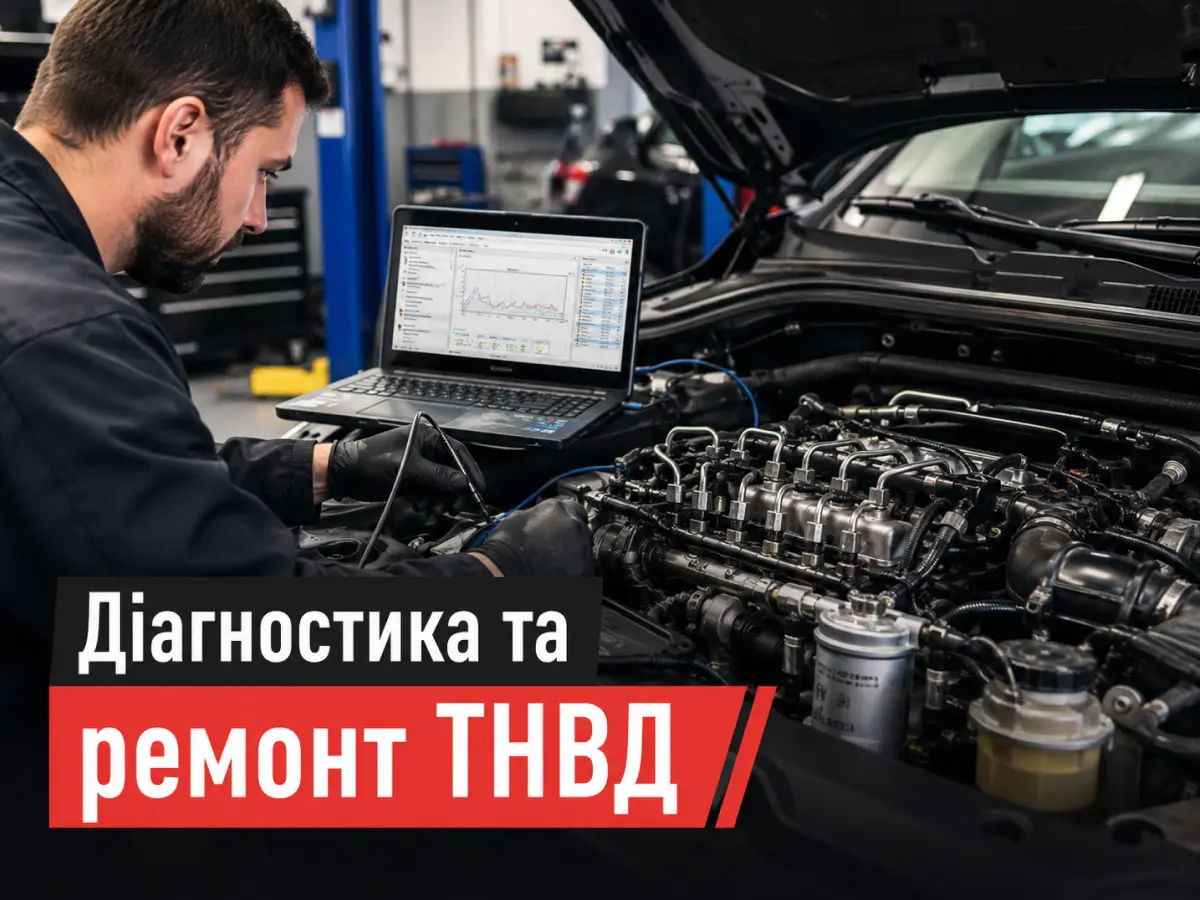
How to Check the HPFP
A fault in the high-pressure fuel pump can be accurately determined only after professional diagnostics. A visual inspection or simple error reading is usually not enough.
HPFP inspection may include:
- computer diagnostics of the engine;
- checking fuel rail pressure;
- analyzing fuel supply parameters;
- checking the pressure regulator;
- checking and cleaning the injectors;
- inspecting the fuel filter;
- checking the fuel lines;
- checking the system for air;
- testing the pump on special equipment.
Comprehensive diagnostics help determine whether the problem is really in the HPFP or whether the fault is related to other diesel system components.
When HPFP Repair Is Needed
HPFP repair is needed if the pump does not create the required pressure, works with interruptions, has internal wear, or leaks fuel. In some cases, it is enough to replace individual components, clean, adjust, or restore the pump. In other situations, HPFP replacement may be required.
The final decision is made only after diagnostics. You should not immediately buy a new pump without checking it, because similar symptoms may be caused by injectors, sensors, the pressure regulator, or the fuel filter.
If you need HPFP repair in Lviv, it is better to contact a service station that works with diesel fuel systems and can check not only the pump itself, but the entire system as a whole.
HPFP Diagnostics and Repair in Lviv
If a diesel engine starts poorly, loses power, smokes, stalls, or runs unstably, the fuel system should be diagnosed. Such symptoms may indicate a fault in the HPFP, injectors, pressure regulator, or other diesel engine components.
Autopark-Service Auto Service in Lviv performs HPFP diagnostics, injector checks, fuel rail inspection, fuel pressure testing, and diagnostics of related diesel vehicle systems. Specialists determine the real cause of the fault and offer the best solution: repair, adjustment, or replacement of damaged parts.
Contacting Autopark-Service Auto Service in Lviv will help detect the problem in time, avoid unnecessary expenses, and preserve the service life of the diesel engine.